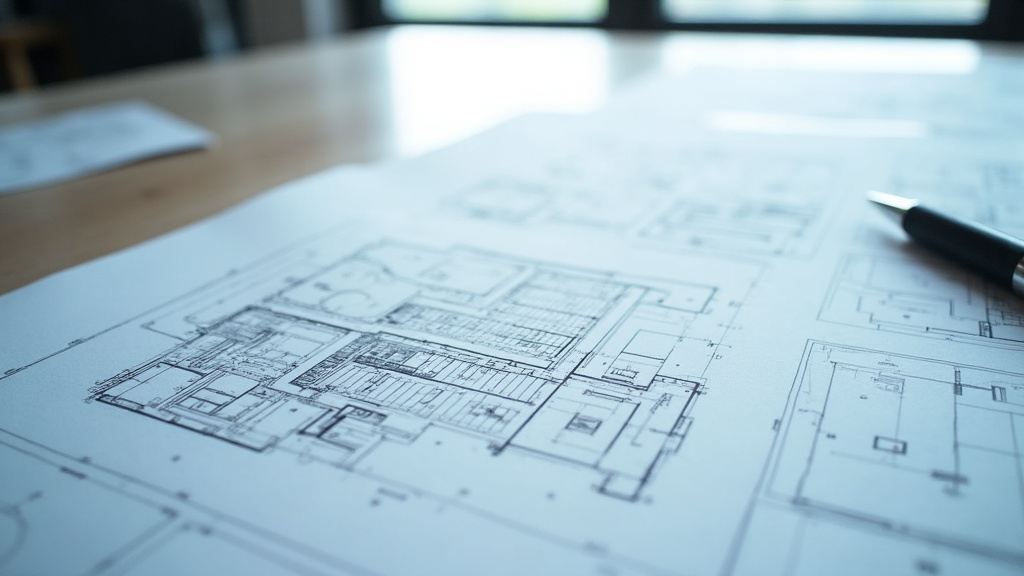
The additions are a significant aspect of real property development, often driven by evolving needs, lifestyle changes, or market trends. However, the process of incorporating new structures or expanding existing ones is fraught with legal, logistical, and practical complexities. From ensuring compliance with local zoning boards and building permits to managing construction timelines and budgets, homeowners and property developers alike face significant challenges. This article examines the intricacies of the additions, providing a practical guide to navigating the legal, design, and community considerations essential for successful and smooth expansions. By exploring practical strategies and leveraging expertise from property lawyers, real estate agents, and homeowners’ associations, readers will gain valuable insights into transforming their properties while adhering to the necessary regulations and community expectations.
Planning Effective Additions: Strategies for Success
In Austin, the process of planning effective the additions involves a delicate balance between extending living spaces and preserving the property’s original character. Often, what starts as a simple desire to add a room or expand a kitchen evolves into a comprehensive design strategy, especially when navigating the city’s stringent building codes and local regulations. The key lies in understanding that an addition is not merely an extension of the existing structure; it’s a project that requires meticulous planning and execution to integrate smoothly with the original architecture.
consider a homeowner who wishes to add a family room to their 1960s mid-century modern home. This project demands a deep examine the original architectural design, the home’s structural integrity, and the local zoning board’s guidelines. The process begins with detailed architectural drawings that not only incorporate the desired addition but also maintain the home’s historic integrity, a critical factor for properties in Austin’s historic districts. Obtaining the necessary building permits becomes a meticulous task, ensuring the addition complies with all safety and accessibility standards.
Home Additions in Austin: Where to Start
Looking for home additions in Austin, TX? Golden State Builders Austin, TX serves the local area and can answer questions specific to Austin.
Choosing the right provider for these the additions in Austin is paramount for a successful project. Homeowners should engage the services of experienced contractors who specialize in residential the additions, ideally with a proven track record in the city. A provider who has worked extensively in similar historic homes can offer insights into preserving the property’s value and character. The contractor should be able to guide clients through the design and construction phases, ensuring the addition aligns with the client’s vision and local regulations. According to a 2022 survey, over 85% of homeowners in Austin reported satisfaction with their addition projects when they selected providers with a strong understanding of the local market and building codes.
The success of any addition project hinges on clear communication between the homeowner, the architect, and the contractor. Regular site visits and progress updates are essential to managing expectations and addressing any challenges promptly. By combining expert knowledge, meticulous planning, and open dialogue, the addition process can transform a home while respecting its original essence, resulting in a property that is both expanded and enriched.
Execution and Best Practices for Additions
When executing the additions, the choice of provider is critical. In Austin, a vibrant market with varied offerings, understanding the nuances of different contractors and their roles is essential. Consider the scale of your project—for a modest expansion, a smaller, specialized contractor may be suitable. However, for complex, multi-phase the additions, a general contractor with a proven track record in managing large-scale projects might be more appropriate. A 2022 study by the Better Business Bureau found that 85% of homeowners who used licensed general contractors reported satisfaction, compared to 72% who used specialized tradespeople.
Beyond choosing the right provider, awareness of common problems is important. Unforeseen structural issues, unexpected weather delays, and budget overruns are among the challenges that can plague the additions. To mitigate these, thorough pre-construction planning is vital. Obtain detailed architectural designs, ensure building permits are in order, and factor in a contingency budget for unforeseen expenses. A well-planned addition in a 2021 project in North Austin, which involved expanding a kitchen and living room, finished 20% under budget due to meticulous planning and a focus on efficient construction methods.
Another critical aspect is understanding the difference between the additions and editions. While both involve expanding a property, editions typically refer to modifications that do not alter the overall footprint, such as reconfiguring interior walls or updating fixtures. The additions, on the other hand, involve physical expansion, like adding a new room or extending the existing structure. This distinction is important for zoning boards and local authorities, who enforce building codes and regulations. A homeowner’s association (HOA) in a suburban Austin community recently denied a permit for an edition, citing that the proposed changes would exceed the property’s original footprint, underscoring the need for clarity in these matters.
To ensure a successful addition, engage with trusted professionals throughout the process. Property lawyers can guide you through legal requirements, while real estate agents offer insights into market trends and potential resale value. Homeowners’ associations and local neighborhood associations can provide community-specific regulations. By navigating these best practices and collaborating with the right team, Austin homeowners can achieve a smooth and valuable addition to their properties.
| Factor | What to know |
|---|---|
| Choosing a contractor | Select experienced providers familiar with local codes; 85% satisfaction with strong local knowledge |
| Licensed general contractors | 85% satisfaction vs 72% for specialized tradespeople, per 2022 BBB study |
| Pre-construction planning | Get architectural designs, secure permits, add contingency budget for unforeseen costs |
| Additions vs editions | Additions expand footprint; editions modify interior without changing footprint size |
| Building permit timeline | Securing permits can take up to 30 days in Austin |
| Professional guidance | Engage property lawyers, real estate agents, and HOAs for compliance and value |
Evaluating and Optimizing Post-Addition Performance
When evaluating and optimizing post-addition performance, it’s important to consider multiple factors beyond the initial construction. In Austin, where the real estate market is highly competitive, understanding what constitutes a successful addition is key. The process involves an intricate dance between legal, practical, and community considerations.
homeowners in Austin must ensure their addition complies with local building codes and zoning regulations. This involves securing building permits, a process that can take up to 30 days according to the City of Austin. Property lawyers play a vital role here, guiding homeowners through the legal intricacies and ensuring all documents, such as deed restrictions and homeowner’s association (HOA) rules, are in order. A well-planned addition should smoothly integrate with the existing structure and property, maintaining the original architectural design. This can significantly impact the property’s resale value, with studies showing that quality the additions can increase home values by 15-20%.
Construction management is another critical aspect. Engaging a qualified contractor who understands the local market and can manage timelines and budgets effectively is essential. The contractor should work closely with the homeowner and other professionals, like architects, to ensure the addition meets expectations. A poorly executed addition, due to poor management or subpar workmanship, can lead to costly repairs and decreased property value. On average, home the additions in Austin range from $50,000 to $200,000, with the duration of the project varying from 2 to 6 months, depending on the scope and complexity.
Community and environmental considerations cannot be overlooked. Zoning boards and local authorities may have specific guidelines regarding the additions, especially in historic districts or areas with strict building codes. Homeowners’ associations (HOAs) may also have rules that impact the design and functionality of the additions. Engaging with these stakeholders early in the process can help avoid future disputes and ensure the addition aligns with the community’s expectations. By carefully navigating these aspects, homeowners can optimize the performance of their the additions, creating a functional, aesthetically pleasing, and legally compliant space that enhances their property’s overall value.
Frequently Asked Questions About Additions
What are the additions in construction?
The additions refer to the process of expanding or augmenting an existing structure, such as a home. This involves constructing new rooms, enlarging existing ones, or adding features to enhance functionality and living space. Adding a second story to a ranch-style home or expanding a kitchen to include a dining area are common addition projects.
How do I know if an addition is right for my home?
Several factors indicate that an addition is suitable. Increased family size, changing lifestyle needs, or a desire to create more livable space are primary reasons. Financial considerations, such as the cost of renovation versus construction, should also be evaluated. Consulting with a professional contractor or architect can help determine the best course of action based on your specific needs and budget.
What are the typical types of the additions?
The additions come in various forms tailored to different architectural styles and purposes. Some common types include:
- Master Suite The additions: Enlarging the master bedroom and bathroom to create a more luxurious and private space.
- Sunroom or Solarium: Adding a glass-enclosed room to the rear of a home, providing natural light and an outdoor feel.
- Garage Conversion: Transforming an existing garage into livable space, often used as an additional bedroom or rec room.
- Deck or Porch Enclosure: Expanding outdoor living areas by enclosing a deck or porch, creating a year-round space.
What are the steps involved in planning an addition?
Planning an addition requires careful consideration and several steps:
- Consultation: Meet with a contractor or architect to discuss your vision and needs.
- Design and Permits: Develop detailed plans and apply for necessary building permits from local authorities.
- Site Preparation: Clear the construction site, ensuring it meets the structural requirements for the addition.
- Construction: Begin the physical work, ensuring compliance with local building codes and regulations.
- Inspection and Completion: After construction, a final inspection is conducted to ensure the addition meets safety and quality standards.
How much does an addition typically cost?
The cost of an addition varies widely based on several factors, including the size and complexity of the project, location, and the type of construction materials used. According to a 2022 survey by the National Association of Remodeling (NAR), the average cost for a mid-range kitchen addition is $60,000, while a small bathroom addition averages $25,000. Major renovations, like adding a master suite, can cost $100,000 or more.
Who should I hire for my addition project?
Selecting the right professional is important. Consider the following:
- Contractor: Choose a licensed and insured contractor with experience in the additions.
- Architect or Designer: For complex projects, an architect ensures the design meets your needs and local codes.
- Subcontractors: Depending on the scope, you may need specialists like electricians, plumbers, or carpenters.
- References: Ask for recommendations and check past project portfolios to ensure quality and reliability.
the strategies and best practices detailed in this article on the additions offer a roadmap for successful projects, from initial planning to post-addition evaluation. Key insights include the importance of meticulous planning — understanding local zoning laws, engaging property lawyers, and collaborating with real estate agents and homeowners’ associations. During execution, effective communication with contractors and strict adherence to building permits and architectural design standards are important. Post-addition, community engagement with local authorities and neighborhood associations can optimize performance and mitigate future issues. By implementing these principles, professionals can enhance the value and functionality of properties while navigating the complexities of the additions with confidence and expertise.
Golden State Builders
3355 Bee Caves Rd Ste 101, Austin, TX 78746
Website: gsbuildersgrouptx.com
View Golden State Builders on Google Maps
How to get to Golden State Builders from Pease District Park
Coming from Pease District Park? the drive to Golden State Builders is a quick one. Head out on Kingsbury St and you’ll find us on Bee Caves Rd Ste 101 at 3355 Bee Caves Rd Ste 101, Austin, TX 78746. Use the map below for turn-by-turn directions.
For related local guidance, see our austin tx resources.