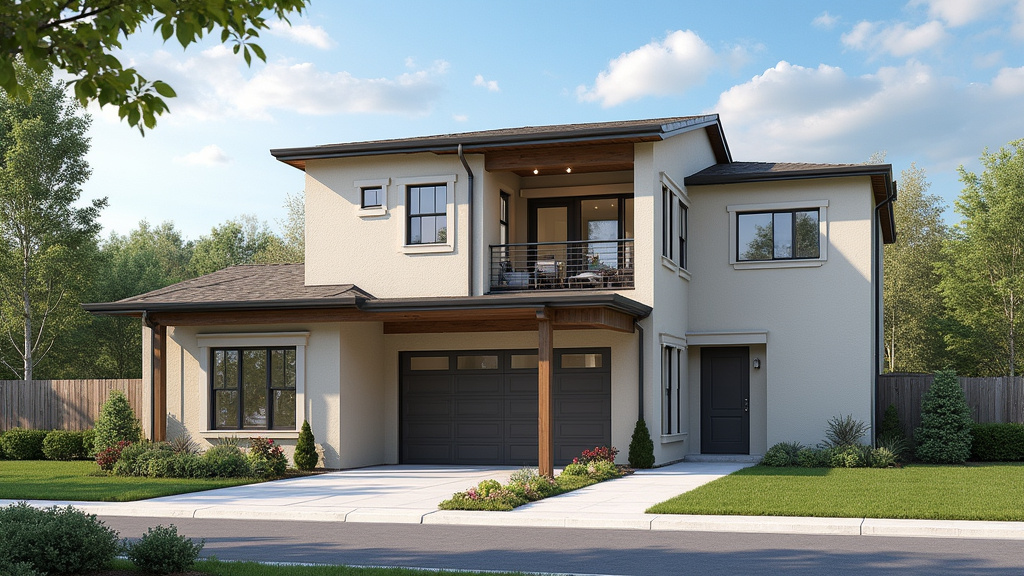
In today’s rapidly evolving landscape of construction and design, additions have emerged as a pivotal strategy for maximizing space and enhancing functionality. Whether it’s an extension to accommodate growing families or a renovation to cater to changing lifestyles, successful additions require meticulous planning and execution. The challenge lies in seamlessly integrating new structures with existing architecture while preserving the original character and flow of the home. This article delves into the intricacies of designing and implementing effective additions, providing expert insights to guide readers through this transformative process.
Home Additions in Austin: Where to Start
Looking for home additions in Austin, TX? Golden State Builders serves the local area and can answer questions specific to Austin.
Understanding Various Types of Additions
Additions, a term often synonymous with enhancements or expansions, encompass a wide array of modifications designed to improve or augment existing structures. When considering additions in Austin, understanding the diverse types is crucial for successful implementation. Whether aiming to expand living spaces, incorporate new rooms, or enhance outdoor areas, each addition type presents unique considerations. For instance, a sunroom addition offers increased natural light and indoor-outdoor flow, while a kitchen renovation focuses on enhancing culinary experiences.
Beyond structural changes, conceptual additions like smart home integrations or sustainable features also fall under the umbrella. Austin’s dynamic climate demands thoughtful approaches; adding solar panels or implementing energy-efficient systems not only enhances property value but also aligns with local sustainability goals. However, it’s essential to navigate potential problems, such as zoning regulations and neighborhood associations’ approval, which can significantly impact project feasibility. Local factors, including building codes and permit processes, play a pivotal role in determining the viability of additions. For instance, Austin’s strict building standards ensure safety but may add layers of complexity during construction.
Choosing the right provider is paramount to ensuring a successful addition project. Researching local contractors with proven experience in various addition types is essential. Consider reputation, cost estimates, and past client testimonials. For example, a provider specializing in custom home additions should possess expertise in navigating unique design challenges and obtaining necessary permits. Moreover, understanding project timelines is vital; a well-organized contractor can provide realistic estimates, ensuring your addition transforms your Austin home without causing undue delays or financial strain.
Strategies for Integrating New Elements Effectively
Integrating new elements effectively is an art that goes beyond mere addition; it involves strategic planning and a deep understanding of existing structures. When considering additions to your Austin property, whether residential or commercial, a thoughtful approach is essential. This process requires a nuanced perspective, as what might enhance one space could disrupt another. For instance, adding a sunroom can increase natural light and create a tranquil retreat, but it must be designed to complement the existing architecture and not overwhelm the overall flow.
The term additions itself is versatile, encompassing various enhancements from room extensions to structural modifications. It’s important to distinguish between additions and editions, as the former refers to physical attachments or expansions while the latter often involves content updates or revisions. In Austin, where real estate values fluctuate, understanding the market dynamics is crucial. For instance, a well-planned addition can increase property value by 20-30%, but this depends on factors like location, design quality, and local regulations.
Choosing a reliable Additions provider is a pivotal decision. Local factors such as climate, urban planning laws, and cultural preferences play a significant role in design and construction choices. For instance, Austin’s hot summers might dictate the need for energy-efficient insulation and ventilation systems. Cost considerations are also paramount; according to recent data, average Additions costs in Austin range from $50 to $150 per square foot, depending on the project’s complexity. Timelines vary accordingly, with smaller projects taking as little as 2-3 months, while larger structures can extend the process up to a year. During project selection, ensure the provider has experience handling similar projects and can offer references to additions they’ve successfully completed in Austin.
| Factor | What to know |
|---|---|
| Types of additions | Sunrooms, kitchen renovations, smart home and sustainable feature integrations |
| Zoning and regulations | Zoning rules and neighborhood association approvals affect project feasibility |
| Cost range | Additions cost $50 to $150 per square foot depending on complexity |
| Project timeline | Smaller projects take 2-3 months; larger ones up to a year |
| Property value increase | A well-planned addition can raise property value by 20-30% |
| Choosing a provider | Pick contractors with proven experience, references, and realistic timelines |
The Impact of Additions on Overall Design and Functionality
Additions, a term often used interchangeably with expansions or extensions, significantly shape the design and functionality of any space, be it a residential or commercial property. When considering additions in Austin, understanding their impact is crucial. This involves evaluating both the aesthetic and practical implications to ensure the new space seamlessly integrates with the existing structure.
Synonyms like extensions or expansions highlight the primary goal: increasing the size and capabilities of a building. In the context of Austin, local factors such as climate, zoning regulations, and cultural influences play a pivotal role in how additions are implemented. For instance, incorporating outdoor living spaces is a popular addition in Austin due to its warm climate, which can enhance overall livability. However, navigating the complexities of additions requires careful consideration. Avoid common pitfalls like inadequate planning, poor structural integration, or neglecting to address changes in functionality, which can lead to costly renovations down the line.
Choosing the right addition provider is a strategic decision. Reputable contractors or design-build firms with a proven track record in Austin’s market are ideal. They should be adept at translating your vision into a functional, aesthetically pleasing space. Costs for additions in Austin vary widely based on project scope, complexity, and materials used. On average, a significant renovation can range from $50,000 to $200,000 or more. Timelines also differ; smaller additions might take a few months, while complex projects could stretch to a year or longer. To ensure a successful addition, it’s essential to invest in expert consultations, comprehensive planning, and high-quality craftsmanship.
Golden State Builders
3355 Bee Caves Rd Ste 101, Austin, TX 78746
View Golden State Builders on Google Maps
How to get to Golden State Builders from Blanton Museum of Art
If you’re over by Blanton Museum of Art, Golden State Builders is a short drive away. Head out on E Martin Luther King Jr Blvd and you’ll find us on Bee Caves Rd Ste 101 at 3355 Bee Caves Rd Ste 101, Austin, TX 78746. Use the map below for turn-by-turn directions.
For related local guidance, see our austin tx resources.